


September 21, 2026
As healthcare costs continue to rise around the world, employers are evaluating multiple levers to strengthen their global benefits management strategies. Financing mechanisms, broker relationships, and stronger governance structures are among the many initiatives that organizations are deploying to create greater stability in a volatile cost environment.
Want a PDF of the findings?
Download Here 
Business Group on Health conducted a survey of multinational employers in June and July of 2026 to understand how global organizations are addressing healthcare costs through their global strategy and approaches. Forty-seven organizations completed the survey. The key findings are summarized below.
Healthcare costs are a global concern, and no major market is exempt
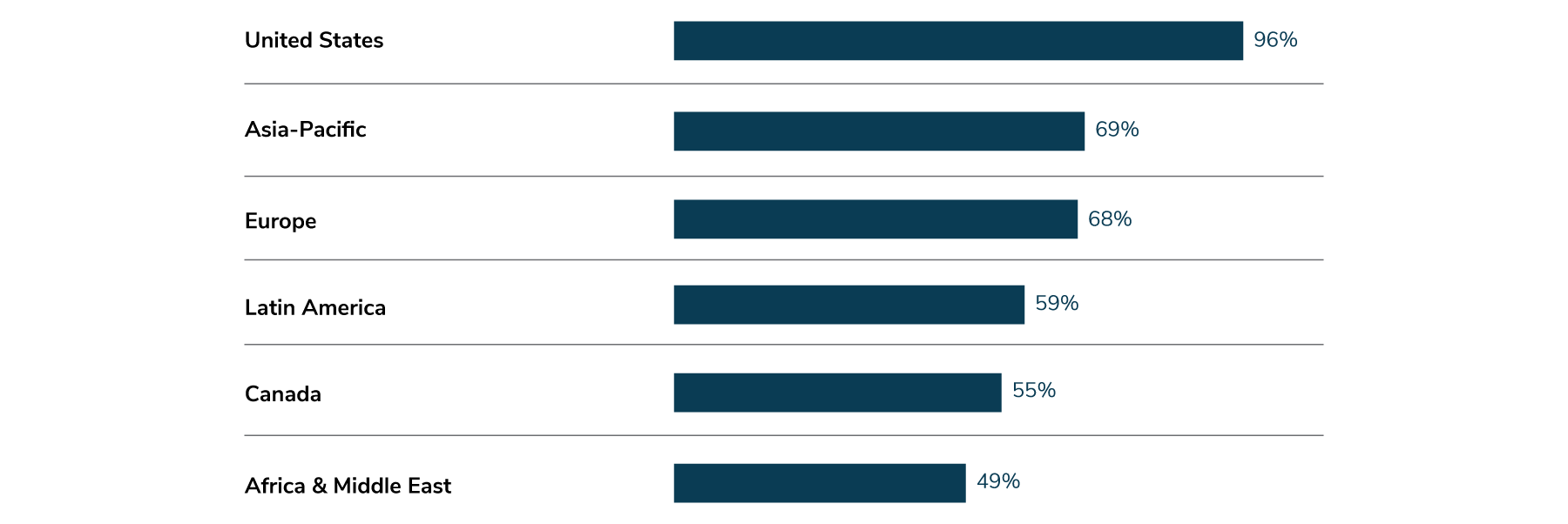
When asked to indicate their concern level by region, respondents indicated that they are most concerned about rising healthcare costs in the U.S. and Asia-Pacific; however, the issue of rising healthcare costs is worldwide (Figure 1).
Figure 1: Global Healthcare Costs Concern by Region, 2026
Three conditions stand out as the primary drivers of healthcare cost growth globally
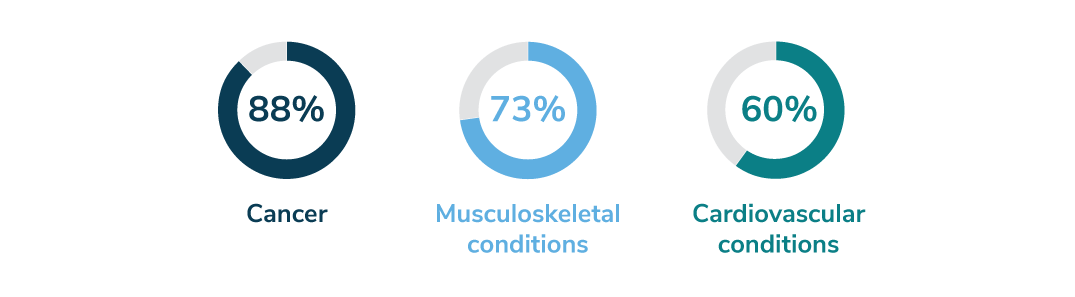
Employers pointed to cancer, musculoskeletal conditions, and cardiovascular conditions as the three conditions driving global healthcare costs to a great or very great extent.
Figure 2: Conditions Driving Healthcare Costs, 2026
Rising costs are leading to:
- Greater analysis of cost drivers and spending trends
- Budget constraints that hinder investment in new health and well-being initiatives
Because these conditions affect workforce health and performance across geographies, employers have a strong interest in managing their impact, even when they do not directly bear the cost of care.
Approaches to global benefits coordination vary across organizations
Multinational employers use a range of approaches to coordinate benefits globally, as shown in Figure 3. Most respondents (70%) fall in the middle of the spectrum, balancing global coordination with local market autonomy.
Figure 3: Coordination Across Global Healthcare Strategy, 2026

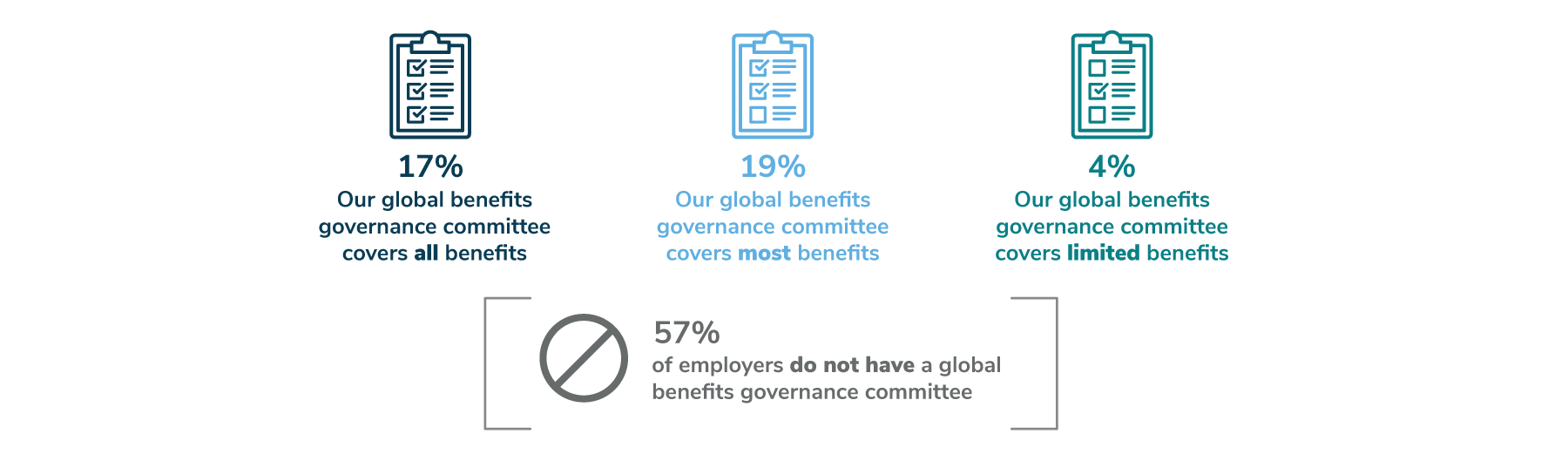
Global benefits governance committees are another way that employers coordinate benefits and achieve consistency. Seventeen percent of respondents charge their global benefits governance committee with covering all benefits, though many do not have a committee to take on this responsibility (57%) (Figure 4).
Figure 4: The Role of Global Benefits Governance Committees, 2026
Global financing mechanisms can help manage costs
Global employers leverage financing mechanisms to drive consistency across operations while allowing for local flexibility.
Figure 5: Global Financing Mechanisms In Place, 2027

The top three objectives employers set out to achieve through global financing mechanisms are:

When it comes to determining if the models are successful, respondents rely on economic measures, including predictability of spend (61%), cost savings achieved (58%), and reductions in year-over-year cost volatility (55%).
In 2027, global brokers will help employers navigate complexity, control costs, and drive strategic alignment
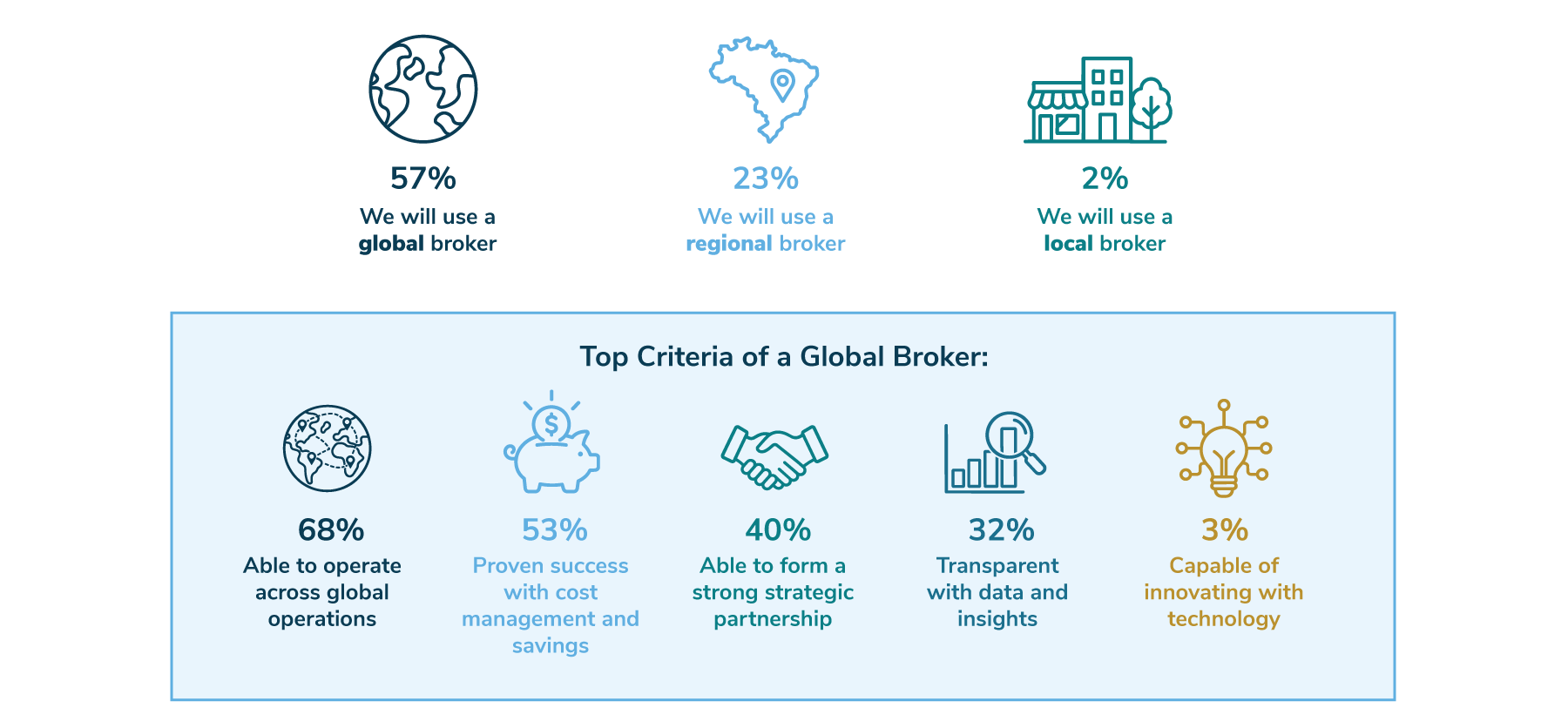
Most respondents lean on global brokers as a practical solution for coordination, governance, and expertise needs (Figure 6).
Figure 6: Employers Using a Broker, 2027
The Bottom Line
Rising healthcare costs continue to affect employers globally. Multinational organizations are looking at a variety of financial mechanisms, broker relationships, and governance approaches to manage near-term cost pressures while pursuing greater long-term financial stability and savings.
More Topics
Resource Global Consistency & Governance
Affordability & Cost Management
Global Consistency & Governance
Affordability & Cost Management