


November 14, 2025
In September 2025, Business Group on Health brought together health and well-being leaders from across EMEA to explore how employers can navigate rapid innovation, rising health needs and diverse national health systems. During this meeting, conversations focused on three key areas:
 |
 |

|
|---|---|---|
| How technology and artificial intelligence (AI) can enhance workforce health, benefits administration and the employee experience. | What employers can do to reduce stigma and improve access to care, particularly in supporting men’s health and mental well-being. | How organizations can address rising physical health challenges such as chronic conditions, obesity and the growing costs of new treatments. |
Technology as an Enabler of Better Health and Benefits
Technology and specifically AI have the potential to help employers in driving toward a simpler and more personalized health and benefits experience for their workforce. However, employers must be thoughtful and strategic when deploying technological platforms.
- Integrate and simplify point solutions across geographies and vendors to avoid complexity and elevate the employee experience.
- Use AI to personalize communication and navigation while safeguarding privacy and inclusivity.
- Track return on investment and employee outcomes to ensure technology investments deliver meaningful value.
- Encourage collaboration among employers, consultants and providers to co-create practical, scalable innovations.
Culture and Community Drive Engagement
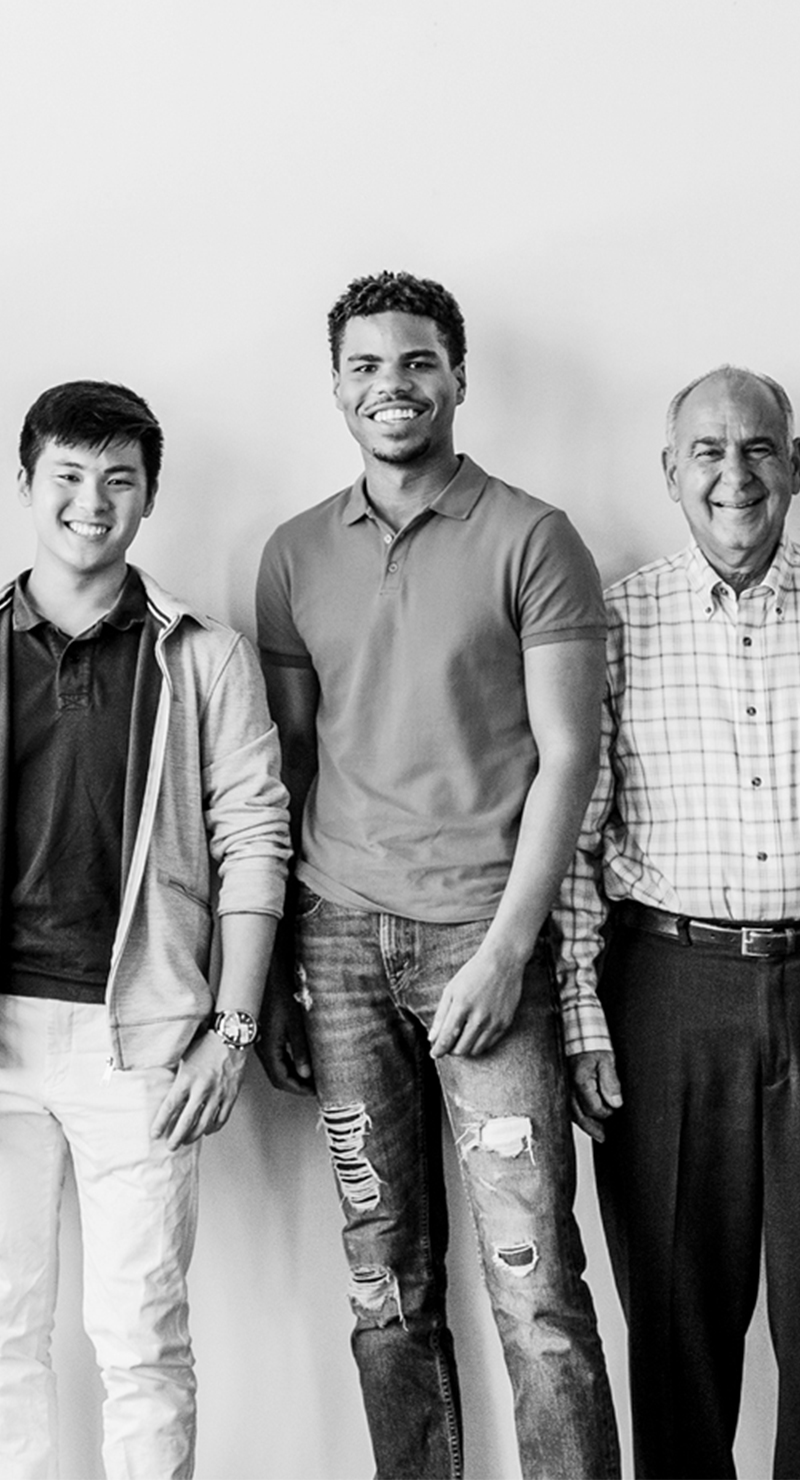
For certain conditions and populations, stigma and uneven access to care remain barriers. Normalizing conversations and fostering trust are essential, especially around improving mental health and men’s health outcomes.
- Engage senior leaders, managers and peer champions to model openness and create safe spaces for discussion.
- Offer virtual care and flexible appointment options to reduce logistical hurdles and encourage preventive care.
- Support peer-led initiatives and employee groups that build community and help normalize conversations on sensitive topics.
- Identify local champions who can share their stories and encourage participation across sites and countries.
Engaging the male workforce
One multinational employer found that taking conversations out of the office and adding movement helped men open up about their well-being. By scheduling regular group walks where facilitators introduce key health topics, the company creates a relaxed environment that lowers barriers and encourages male employees to share their experiences and support one another.
Physical Well-being Remains a Priority
Rising chronic conditions and high treatment costs make promoting physical well-being an ongoing priority for employers.
- Continue investing in programs such as weight management, diabetes prevention, physical activity, sleep management and tobacco cessation.
- Explore solutions for specific conditions such as autoimmune conditions and emerging areas like genetic counseling.
- Balance budgets and access while navigating complex national health systems to sustain robust physical well-being initiatives.

Final Thoughts
The EMEA region’s complexity demands globally aligned yet locally attuned solutions. By pairing thoughtful technology adoption with culturally aware, whole-person well-being strategies, multinational employers can create resilient, future-ready benefits programs that meet the evolving needs of their diverse workforces.

Regional Meeting Insights: EMEA September 2025
 Download
More Topics
Resource
 Europe, Middle East & Africa (EMEA)
Physical Activity
Mental Health
Europe, Middle East & Africa (EMEA)
Physical Activity
Mental Health