


August 25, 2026

The 2027 Employer Healthcare Strategy Survey gathered insights and gleaned perspectives from employers on their views of the healthcare industry, how rising healthcare costs are impacting their strategies, the myriad factors garnering greater involvement from leadership, and the path forward for a more viable future. The survey was conducted in June 2026. A total of 127 employers completed the survey, representing 11 million covered lives. The key findings from the survey are summarized below.
Want a PDF of the Executive Summary?
Download Here 
1. Healthcare cost growth has entered a precarious phase marked by record trend increases, missed forecasts, and unrelenting headwinds.
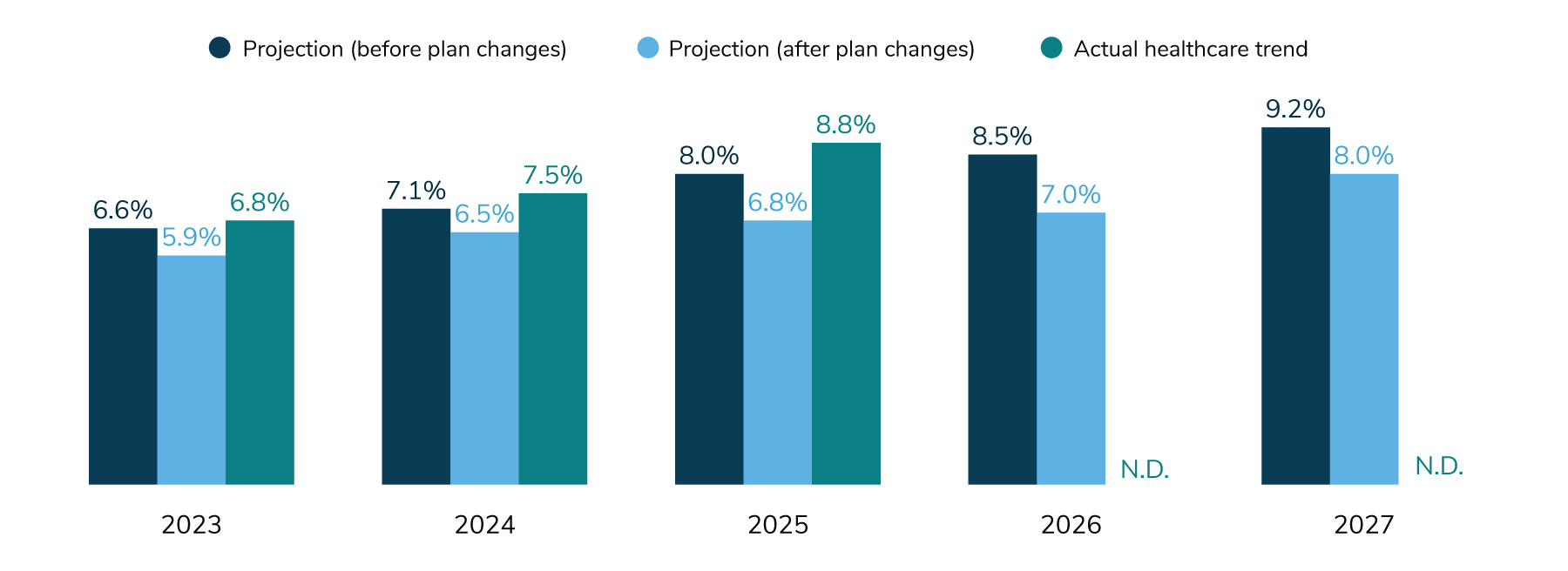
A range of clinical, market, and policy forces is driving both higher healthcare costs and greater cost uncertainty, including declining population health, expanding use of expensive therapies, rising provider prices, and unintended policy consequences. For 3 years in a row (2023-2025), employers and their partners underestimated healthcare costs, driven in large part by the volatility in the market. Employer costs will intensify before they begin to improve - with a median 8.5% trend expected for 2026, increasing to 9.2% the year after. Healthcare costs could rise a cumulative 76% over 10 years (2018-2027), about double the rate of general inflation for a comparable period. This reality is causing many employers to rethink their benefit strategies and partnerships.

2. Healthcare is an enterprise-wide financial and governance issue.
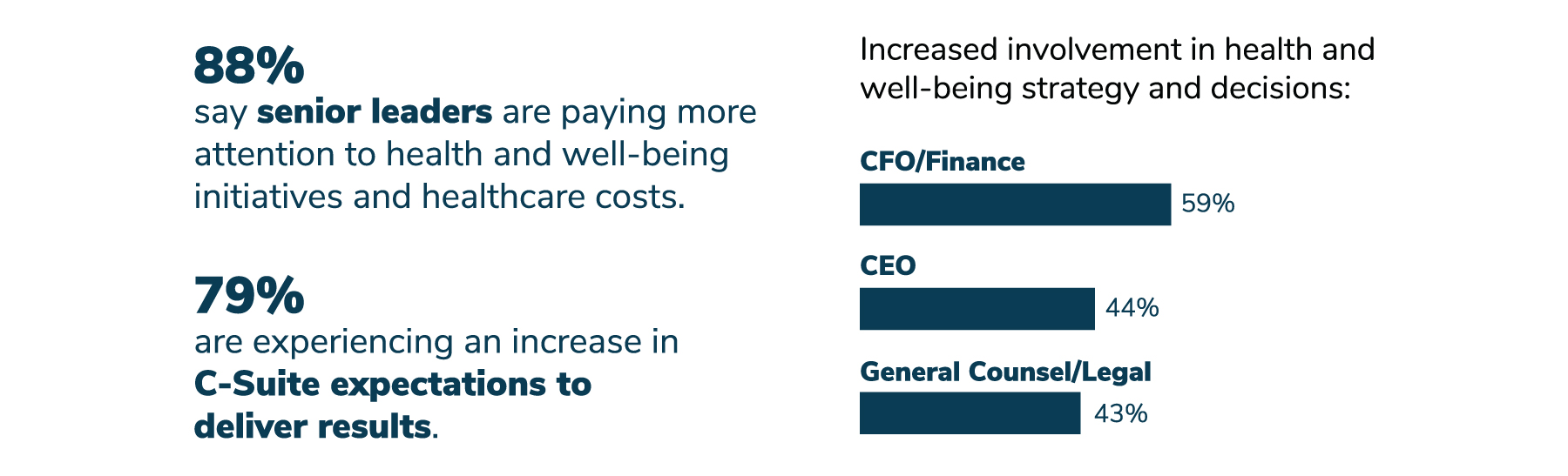
While executive leaders are paying greater attention to rising healthcare costs and expense volatility, they are also increasingly focused on legal and regulatory risks, the implications of emerging technologies such as artificial intelligence (AI), evolving workforce expectations, and the growing impact of health benefits on overall workforce strategy and business priorities. As a result, 59% of employers report an increase in CFO or Finance team involvement, and 44% report that their CEO is playing a bigger role in benefit decisions – and a large majority concur that C-Suite expectations are on the rise.
3. Artificial intelligence is both a cost driver and a beneficial tool.
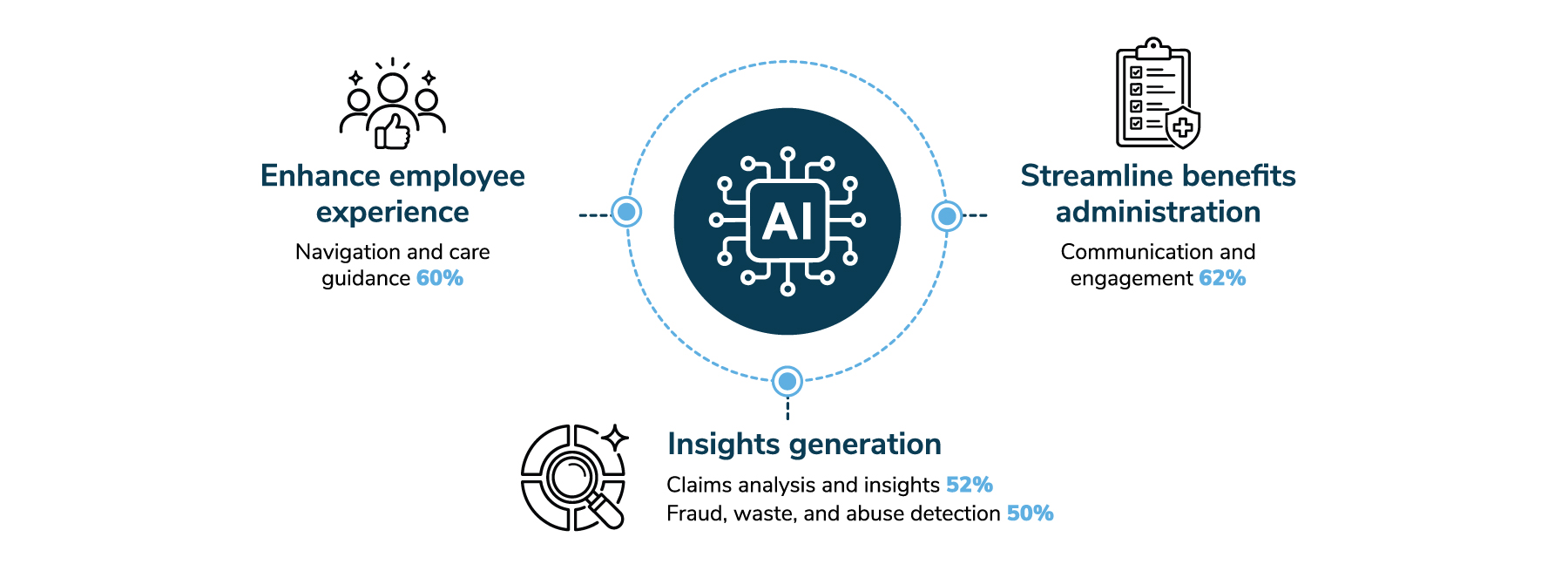
AI is emerging as both a contributor to rising healthcare costs and a tool for alleviating administrative burden and engaging employees in their care. In the near term, employers are already seeing the adverse cost impacts of AI. Sixty-four percent report its role in driving healthcare costs up through revenue-optimization activities and upcoding. At the same time, employers are leveraging AI to streamline benefits administration, enhance employee experience, and identify actionable insights from increasingly complex datasets. To date, employers have concentrated their AI efforts on employee-facing applications, with 62% using AI for communications and 60% for navigation and support (either organizationally or through a vendor). As AI adoption accelerates across the healthcare ecosystem, employers will need to balance its potential to improve outcomes and efficiency against the risk that it further exacerbates healthcare costs and spending volatility.
4. Independent Dispute Resolution and other policy changes add cost pressure.
Public policy and regulatory changes are having significant, and at times unintended, consequences for employer health plan costs. Most notable is the Independent Dispute Resolution (IDR) process established under the No Surprises Act. Nearly half (45%) of employers either already experience or anticipate experiencing high volumes of IDR claims, leading to higher employer costs. The current IDR framework has further incentivized out-of-network reimbursement disputes, contributing to higher plan costs.

In addition, changes affecting Medicaid eligibility, ACA subsidies, and the broader insurance market are placing additional financial pressure on hospitals and health systems, contributing to cost shifting to the commercial market. Together, these policy dynamics are adding to healthcare cost growth and volatility, reinforcing concerns that regulatory solutions can sometimes increase costs for the commercial market even as they seek to solve for select underlying delivery system deficiencies.
5. Employers rethink strategies, programs, and partnerships.
Escalating healthcare costs, persistent volatility, declining population health, and increasing workforce expectations are driving employers to fundamentally reassess their health and well-being strategies. Employers’ commitment to their role in providing employer-sponsored coverage remains strong, with 94% of employers viewing health and well-being as integral to or a consideration of their workforce strategy. This finding underscores the need for employers to take a fundamental look at the plans and programs they offer to determine what is necessary, effective, and will best position them for the future.
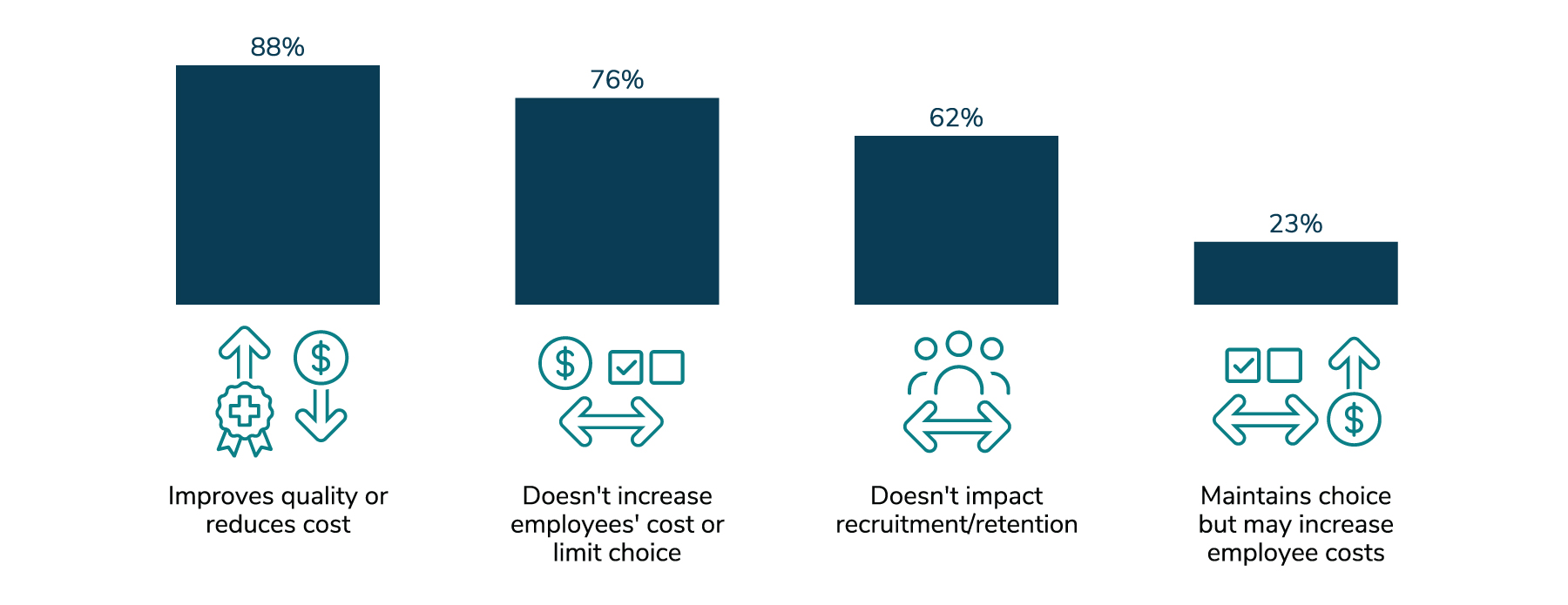
This reckoning is already taking shape through potential changes to benefits and programs, including what employers cover, which programs could be eliminated, and how they hold their vendors accountable. These changes have the potential to cause disruption. When asked about the type of disruption that employers would be most comfortable pursuing, 88% support changes that improve quality and/or lower costs and 76% are in favor of changes as long as employee choice is not materially reduced. These preferences are evident in the growing prioritization of high-value care, with centers of excellence (COEs) as a leading strategy. Eighty-four percent of employers plan to offer at least one COE in 2027 and some are even considering requiring employees to use a COE in order to receive coverage.
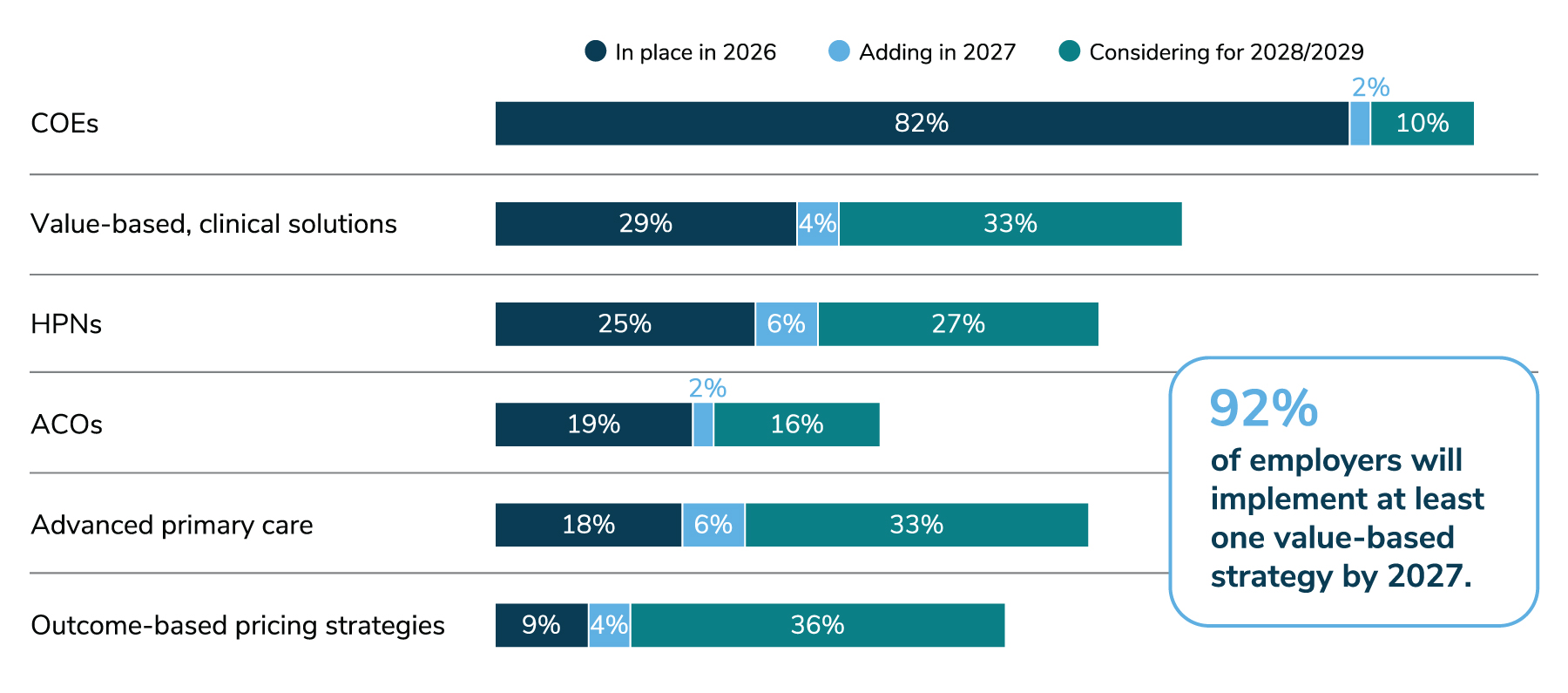
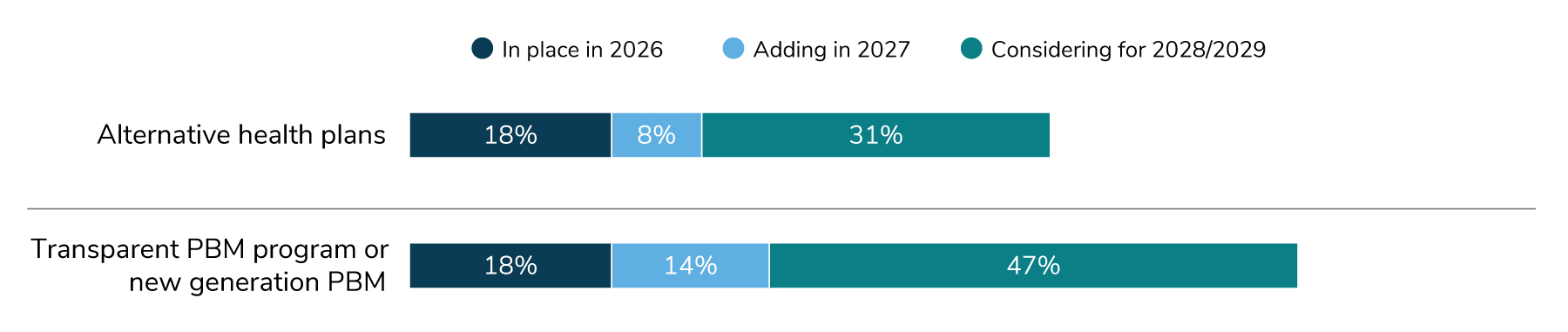
As part of this reassessment, employers are also exploring alternative health plan models and new-generation PBMs. Twenty-six percent of employers will offer an alternative health plan in 2027 and another 31% are considering them for 2028/2029. Employers are also exploring transparent and new-generation PBMs as they seek greater visibility into pharmacy spending. While 32% will offer these types of pharmacy plans in 2027, 47% are weighing implementing them for 2028/2029. Employers are evaluating a range of program and vendor changes, which are explored in other areas of the survey.
6. Vendors and programs must demonstrate value or face replacement.
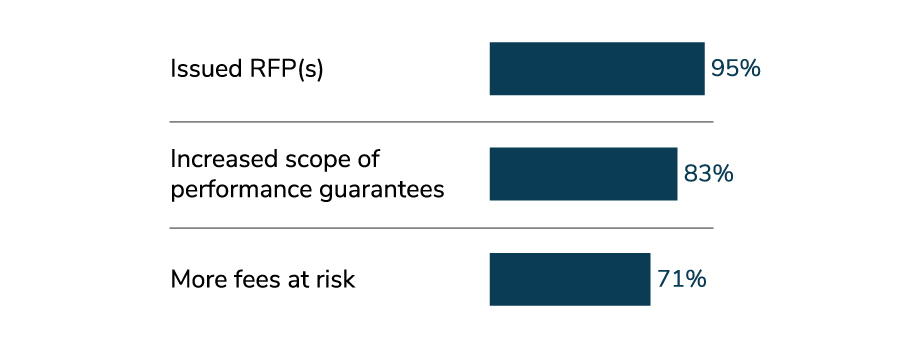
Employers will continue to scrutinize the value delivered by their health and well-being vendors, with many prepared to make swift decisions about ineffective and/or underutilized programs. Nearly all employers (95%) have issued an RFP for at least one vendor category. This intent reflects a growing willingness to challenge incumbent relationships and redirect investments toward programs that will have a greater impact on costs and outcomes.
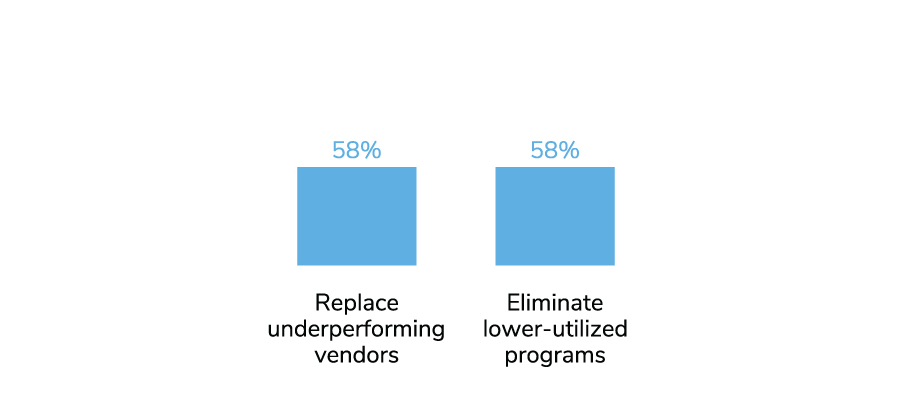
Looking ahead, employers are considering program elimination and tighter performance expectations. By 2027, 58% will replace underperforming vendors and the same percentage intend to eliminate lower-utilized programs. At the same time, employers are strengthening contracting arrangements, with 83% expanding scope of performance guarantees and 71% increasing the proportion of vendor fees tied to outcomes. Collectively, these actions represent one of the most practical and immediate forms of disruption, with accountability and outcomes becoming the new standard for partnership success.
7. Pharmacy pressures demand a more disciplined approach to cost, access, and value.
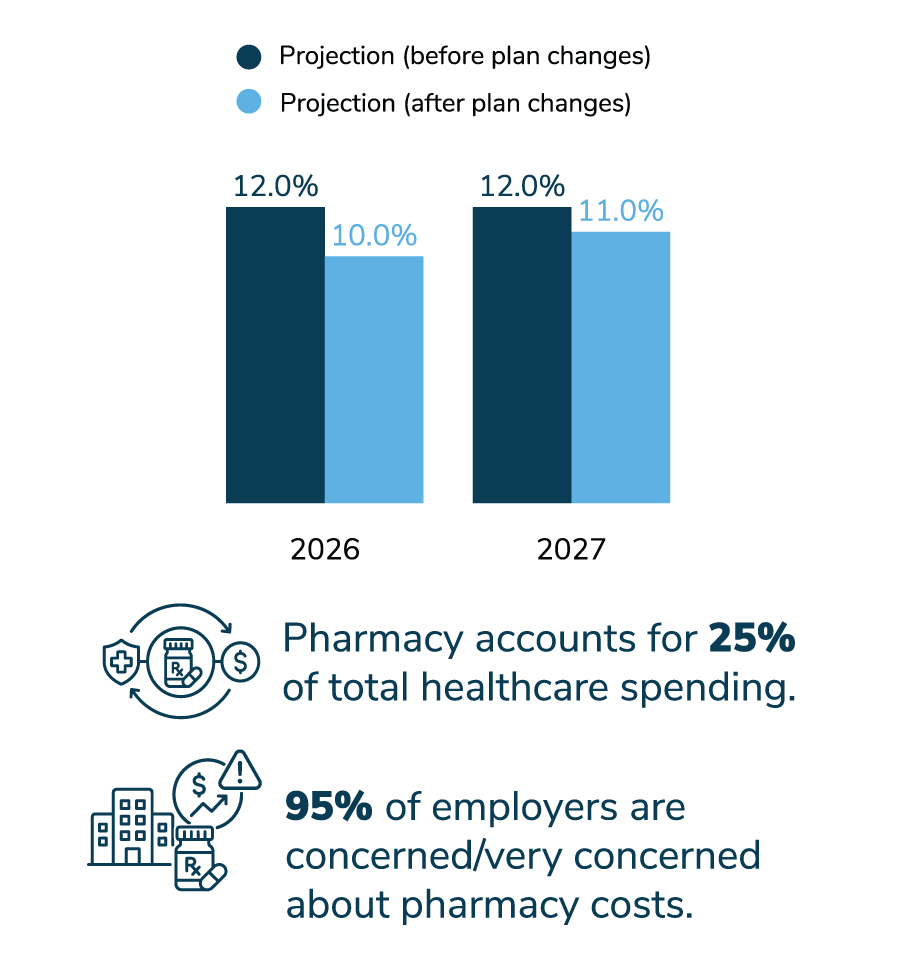
The pharmacy cost environment is increasingly complex, driven by rapid growth in GLP-1 utilization, the expansion of high-cost specialty drugs, broader treatment indications, and the emergence of breakthrough cell and gene therapies. As such, pharmacy now accounts for 25% of healthcare spending and is projected to increase 12% in 2026.
In response, employers are embarking on more disciplined management of therapeutic areas driving their pharmacy costs:
- Fewer employers are covering GLP-1s for weight management. Those who are still covering them for this purpose are inclined to adopt more rigorous utilization management to curtail inappropriate use.
- Employers are increasingly using formulary design, coverage policies, and clinical edits to encourage the use of lower-cost biosimilars when clinically appropriate.
- Many are working to address cell and gene therapy coverage through COEs, specialized contracting arrangements, and risk-sharing mechanisms to improve oversight.
- As noted earlier, employers are increasingly evaluating transparent and new-generation PBM models to improve pricing transparency and strengthen PBM accountability.
8. Employers target delivery system inefficiencies and high-cost conditions to improve quality and curtail spending.
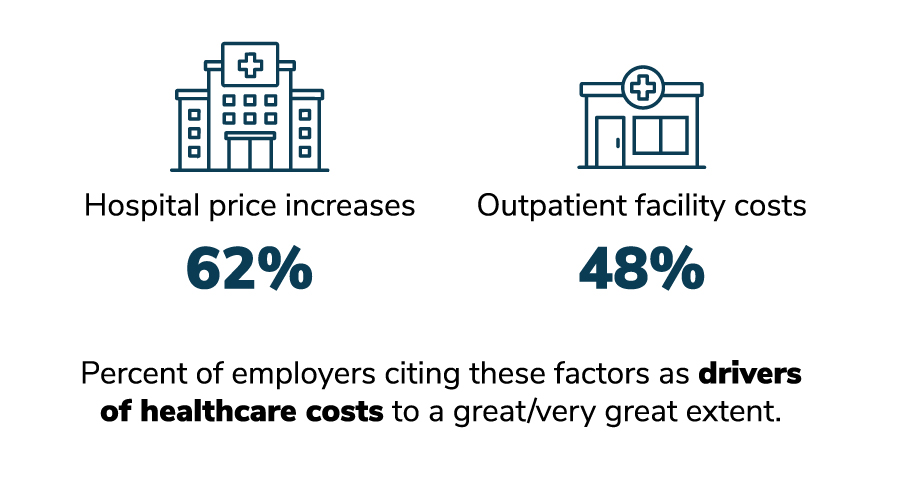
The underlying delivery system dynamics that drive spending growth are a necessary target for employers’ cost management strategies. In fact, 62% of employers report that hospital price increases are driving their costs to a great/very great extent and 48% say the same for outpatient facility costs. Both areas of concern are heavily fueled by provider consolidation that has resulted in reduced competition, as well as site-of-care price differences.
Cancer remains the dominant condition driving healthcare costs for the fifth year in a row and is now the number one cost driver for 70% of employers, up from 58% in 2025. More employers also identify maternity-related costs as a top three cost driver (21%). These cost pressures will likely intensify further in 2027 as maternity reimbursement transitions from a bundled to unbundled payment model.
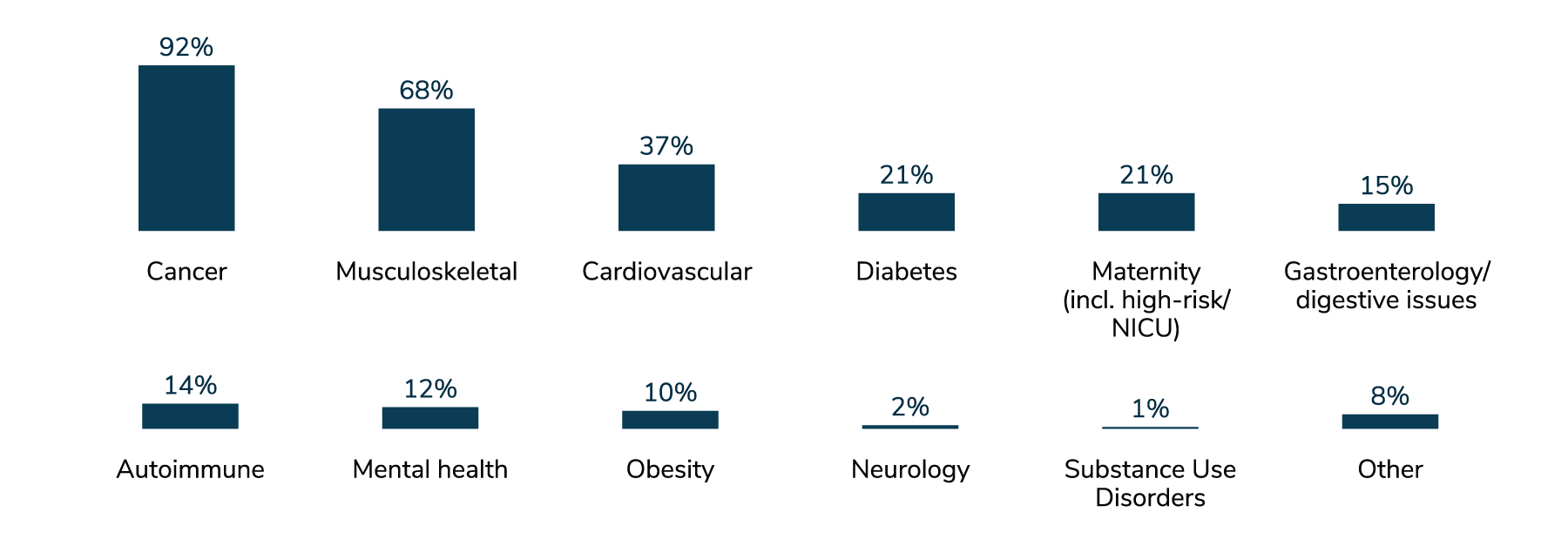
While musculoskeletal, cardiovascular, and diabetes remain highly prevalent “top three” conditions driving cost, more employers raised concerns about two other condition groups – gastroenterology and autoimmune. Both are associated with complex diagnoses and costly ongoing treatment.
In response to these pressing issues, employers are expanding navigation, COEs, high-performance networks, and condition-specific clinical solutions to guide employees toward high-quality, evidence-based care – and in some cases, requiring the use of these services in order for the procedure to be covered.
9. The current environment is prompting employers to evaluate non-traditional models.
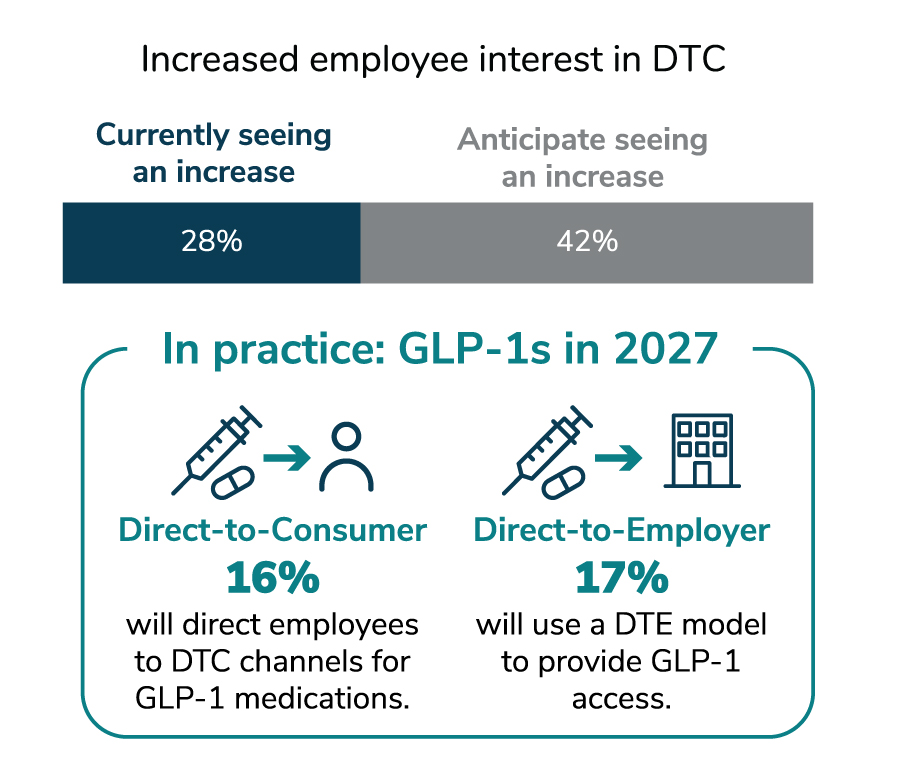
As employers assess their strategic approaches, some are also beginning to explore non-traditional avenues – either as complements to or substitutions for – the traditional employer-sponsored construct. Emerging direct-to-consumer (DTC) and direct-to-employer (DTE) models have created meaningful disruption in the pharmacy space. Most recently, these channels have targeted GLP-1s. A few employers (16%) will direct employees to DTC channels for GLP-1 medications. Similarly, 17% will use DTE arrangements, which create an alternative means for purchasing GLP-1s for employers interested in options outside their PBM.
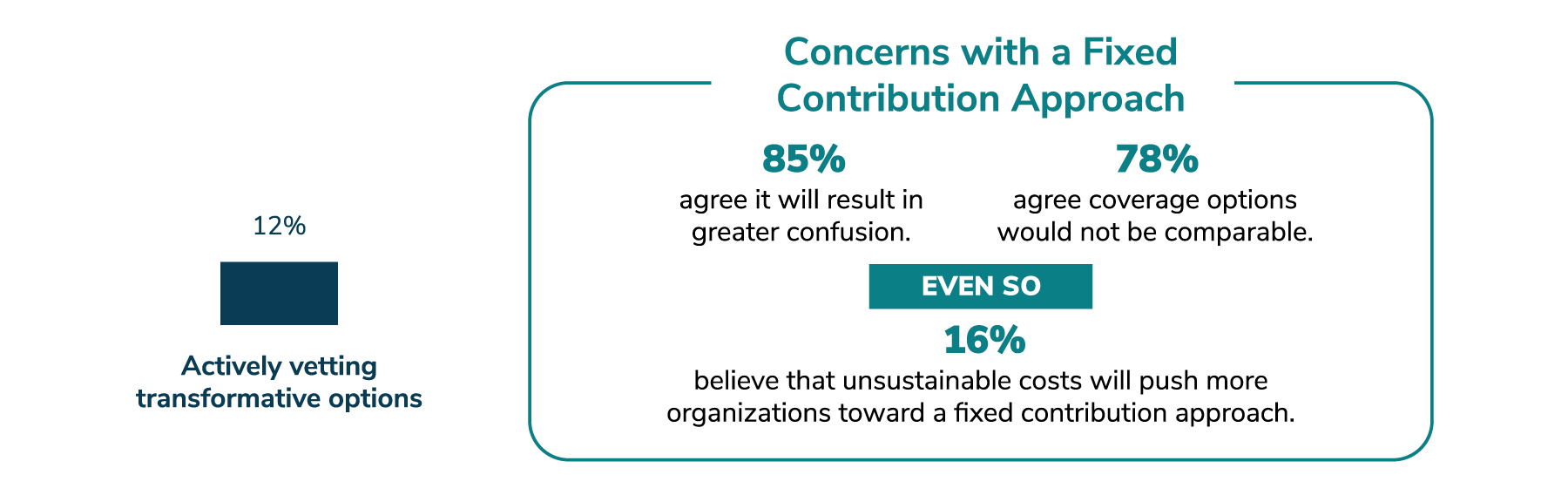
At the same time, a small number (12%) are assessing alternative approaches like Individual Coverage Health Reimbursement Arrangements (ICHRAs). These employers are doing so conceptually and on an exploratory basis - not as an imminent departure from employer-sponsored healthcare, but as part of a broader effort to understand what options they may want to avail themselves of in the future. Employers remain committed as central purchasers of health benefits, recognizing both the value of benefits provided to their workforce and the role employers play in shaping the healthcare experience.
Conclusion
Healthcare cost volatility has reached a level that demands a reassessment of benefit strategies, vendor partnerships, and program offerings. Employers are increasingly willing to challenge the status quo, pursue targeted disruption, and hold partners accountable for delivering measurable value. But the reality is that employers cannot solve the cost challenge alone. System-wide change will require health plans, PBMs, policymakers, and other industry stakeholders to come together to address the structural forces that continue to drive costs to unprecedented levels and undermine efforts to create a higher-value healthcare system.
A Harsh Cost Reality: 2027 Employer Healthcare Strategy Survey Webinar
Watch Now
Citations
Before referring to or using this survey report in any way, you must receive permission from Business Group on Health. Please contact [email protected].
Suggested citation for this survey report:
Business Group on Health. 2027 Employer Healthcare Strategy Survey. August 2026. Available at: https://www.businessgrouphealth.org/resources/2027-Employer-Healthcare-Strategy-Survey.
-
Intro2027 Employer Healthcare Strategy Survey
-
Executive Summary2027 Employer Healthcare Strategy Survey: Executive Summary
-
Section 1The Harsh Reality of Healthcare Costs: Navigating Volatility and Unabating Financial Pressures
-
Section 2The Employer Reckoning: Rethinking Strategies, Programs, and Partnerships
-
Section 3High-impact Cost Mitigation Opportunities
-
Section 4Driving Results for the Future of Employer-Sponsored Healthcare
-
Methodology2027 Employer Healthcare Strategy Survey: Methodology Details
-
Full Report2027 Employer Healthcare Strategy Survey: Full Report
More Topics
Resource Plan Design & Administration
Pharmacy
Value-based Care
Plan Design & Administration
Pharmacy
Value-based Care