


December 02, 2025
Each year, Business Group on Health identifies key trends impacting employer health and well-being strategies; these trends stem from our work with employers and partners and our unique industry perspective, as well as factors including the economy, technology, innovation and policy. In looking toward 2026, there is no shortage of developments that employers and their partners will face. Therefore, each trend includes critical action steps to help employers proactively address trends on the horizon.
The following trends represent areas of focus for employers and other industry stakeholders throughout 2026:
The Challenging Cost Environment
2026 will be characterized by one of the most challenging affordability and cost management years in recent history.
 Employers anticipate a median 9% health care trend in the U.S., which is expected to drop to only 7.6% with plan design changes. These impending increases are on top of back-to-back years of actual health care costs that have exceeded employer forecasts. Multinational employers could see double-digit increases in their benefit costs in some regions - making health care costs a global burden. The volatile cost environment is the result of many factors, including vast chronic condition needs, increasing medical and pharmacy prices and a fragmented health care ecosystem where complexity only proliferates year over year.
From a historical perspective, the volatility in cost forecasting has led to increased pressure to deploy short-term cost mitigation tactics as well as more aggressive and sustained efforts for long-term cost containment. In 2026, employers will need to act with heightened urgency and a willingness to pursue approaches that more effectively disrupt their benefits program – and improve outcomes for employees as well as for their business. This approach must start with benefit leaders initiating frank discussions with their leadership on the cost reality and need for change. To do this effectively, employers need to fully grasp what is impacting their benefit costs and weigh options for creating more predictability within their budgets.
Employers should rigorously evaluate all programs, vendors and delivery partners to ensure that their investments deliver value, which will potentially lead to: 1) the elimination of underperforming vendor partners, 2) a change in offerings, 3) a reconsideration of future enhancements to the benefits they offer, and/or even 4) pursuing fundamentally different arrangements with key partners, especially in the areas linked to high-cost drivers. Many of the ways that employers can address costs will be detailed in the trends to follow.
Related Content
- 2026 Employer Health Care Strategy Survey: Health Care and Pharmacy Costs
- Addressing Global Health Care Costs
- Soaring Health Care Costs Lead Employers to Explore New Strategies
- Solving the Health Care Trend and Pharmacy Cost Crises
- Taking Action on Health Care Costs: A Business Group on Health Viewpoint
Disruption Becomes Essential
Disruption of the current ecosystem is necessary to bring about sustained change.
 It is well known that the status quo in health care does not serve the best interests of employers or employees. The shortcomings in the health care ecosystem are further exacerbated by mounting cost pressures and challenges with the employee experience amid system fragmentation and elevated out-of-pocket costs. As such, protecting or retaining the status quo in the name of consistency or "minimizing noise” may turn out to be more “disruptive” to employees than making necessary changes would be.
Against this backdrop, employers must compel both leadership and employees to embrace change. In part, 2026 will represent a time of steep change management driven by those in HR/Benefits and perhaps required by Finance. They will need to educate leadership on the need to make changes within plans and programs. Convincing employees that “change is good” in health care is challenging, but it is also doable, given the flaws in the current system. Patients are losing trust in the health care system, which is linked to marginal health risk improvement, low patient engagement and an overall subpar experience. These factors necessitate bolder change.
Related Content
A Sharpened Focus on Fundamentals
Employers will get “back to basics” to improve health at scale.
 Chronic diseases continue to represent top cost drivers for employers, with benefit leaders anticipating even higher condition management needs in the future due to worsening population health and an increase in the proportion of older employees in the workforce. Thus, there is greater urgency to emphasize the foundational aspects of employee health and well-being: disease prevention and condition support rooted in evidence and proven outcomes.
At the same time, employees and their family members need to take ownership of their health: by seeking effective primary care, following through on recommended screenings and accelerating efforts to prioritize their overall health and well-being.
Multinational employers will need to explore the unique geographic or cultural factors that influence beliefs about and access to preventive care and then seek to mitigate those factors through effective, culturally sensitive communications and convenient access to trusted sources of care.
Additionally, employers will assess opportunities to engage employees more effectively in preventive care. Offering alternative health plan options and/or incentive strategies that financially reward employees for actions like utilizing primary care and getting age-appropriate screenings may be an avenue some employers explore to increase adherence and promote employee ownership of their health.
As employers go "back to basics" in 2026, they’ll also scrutinize well-being programs—particularly those that address some of the costliest conditions such as diabetes, cardiac conditions and obesity—to find positive clinical and economic outcomes based on their own workforce’s experiences to document each program's value. This step will be necessary to ensure that the offerings in place offer value to the company, especially due to the heightened visibility of well-being programs among senior leaders.
Related Content
Rewriting the Pharmacy Benefits Playbook
The pharmacy landscape will continue to pose challenges for employers against the backdrop of policy developments that represent potential pricing changes in the U.S. and around the world.
 Over the past decade, there have been promising advances in pharmaceutical-based treatment, from curative cell and gene therapies for rare and difficult to treat conditions to weight loss medications that can meaningfully impact obesity rates and comorbid conditions. While these positive clinical developments are to be celebrated, the resulting costs have both near-term and long-term implications for self-funded employers.
As pharmacy spend grows and existing cost mitigation strategies falter, the role of those within the pharmacy supply chain will continue to be called into question. Pharmacy Benefit Managers (PBMs) face intense employer and governmental pressure to address costs and utilization, present alternative plan offerings and provide pricing and compensation transparency. Pharmaceutical manufacturers also face scrutiny related to drug pricing especially as federal government initiatives aim to address pricing through certain coverage channels and direct-to-consumer (DTC) programs. As these efforts gain traction, they will potentially highlight cost-shifting concerns while creating access and coordination questions for employer-sponsored plans.
In the next generation of plan design and affordability efforts, employers will pursue bold moves in the pharmacy space. Such moves may include a range of programmatic and vendor changes, including fundamentally restructuring their approach to pharmacy benefits. Decades of inflexible and opaque pharmacy contracting will likely face interruption in the form of greater transparency and design opportunities. Effective design and execution of requests for proposal (RFP) and renewal processes to drive contract terms and select partners that align with their pharmacy objectives will be key to employers successfully managing costs.
Further complicating the pharmacy landscape is the creation of DTC cash prices that are vastly different from prices that can be negotiated for commercial plans. While this is acutely visible for highly demanded treatments like GLP-1s, this approach is likely to expand to other drug classes, potentially casting doubt on the relevance of traditional pharmacy benefits. The U.S. government is moving in this direction through efforts like “TrumpRx” that enable consumers to shop for medications directly. While it is unclear the extent to which such programs will be available to those with employer-sponsored coverage, employers will be called upon to debate, and establish, their organizational philosophy regarding employee use of cash-pay/DTC sources of pharmaceuticals. Some employers may embrace the disruption of the supply chain; some may see it as undermining their own benefits value and utilization management efforts.
On the global scale, any anticipated movement on the U.S. government’s “Most Favored Nation” drug pricing agreement strategy could result in increased drug prices outside the United States. Multinational employers, along with their benefit consultants, should monitor pharmacy costs in their countries of operations. While it may not impact their direct costs at the moment, public plan coverage may shift or fall short, potentially creating an expectation for employers to fill any coverage gaps for their employees.
Related Content
Raising the Bar on Vendor Partnerships
Industry partners will face increased scrutiny and demands to deliver improved outcomes.

Vendor partners play an important role in supporting employee health and well-being by providing needed services, along with industry expertise, innovation and data. However, as the pace of innovation has escalated and service offerings have expanded, employers are now offering a significant array of partner programs. This has led to a lack of data integration, an increasingly fragmented employee experience, inadequate clinical coordination, potential duplication of services and unnecessary costs. Further, across virtually all solution programs, there is a lack of measurable outcomes, both for specific vendors and across all programs. As a result, partners are under greater scrutiny as employers seek to simultaneously improve population health and mitigate health care trend.
In 2026, employers will continue to streamline programs and vendors in pursuit of simplicity, robust clinical outcomes, improved employee experience and cost savings. While many employers have undergone RFPs for health plan(s), PBM, clinical solutions and well-being programs, this action alone won’t be enough to bring down costs over the long term. Vendor partners will need to consistently demonstrate that their services are meeting employers’ goals; the inability to do so may mean that they no longer have a place in the company’s benefit ecosystem.
Employers will insist that their vendors strengthen their effectiveness to deliver transparency, cross-program collaboration and enhanced accountability. Employers will require complete transparency into contract terms (with unmitigated rights to validate) and insist that vendors provide access to usable data to help inform program and plan decisions. With numerous offerings, employers must insist on collaborative integration within their partner ecosystem, starting with expanding connection points to enable aggregation of data that connects benefits more effectively. Finally, employers will accelerate an expanded culture of accountability, holding vendor partners accountable for meeting and exceeding outcomes measures, both as individual vendor partners and in service to the collective goals of the employer.
Related Content
The Drive to Innovate
Core to disruption are innovation and alternative models, which are needed in order to address rising costs and leverage advances in technology.

The traditional approach to health plans and providers remains prevalent, while at the same time, alternatives have emerged. Employers experiencing year-over-year health care increases will be looking to their existing partners to innovate and evolve on an accelerated basis, while at the same time, these employers may also be eager to go beyond traditional plan approaches and try something new.
From a coverage standpoint, a variety of alternative plans/models are currently on the scene: copay-based models, virtual-first approaches, primary care-centered adoption and even preset benefit plans that operate “network-less.” While there are new entrants into the health plan marketplace, some well-established health plans are also offering these new plan types. In 2026, more employers will explore innovation in health plans and plan designs as a means for achieving value within their organization’s offerings. In some instances, advancement in technology and the application of AI have enabled the development of new plan types.
With this acceleration of plan options, employers should implore their consultants and advisors to improve their capability to guide decisions. Specifically, consultants should comprehensively articulate, demonstrate and thoroughly evaluate emerging approaches alongside existing models, with recommendations tailored to individual employer needs.
Related Content
The Rapid Adoption of AI
AI is rapidly gaining traction in how health and well-being programs are delivered by employers and partners.
 AI has the potential to revolutionize benefits management by reducing the administrative burden, enhancing communication and refining personalization, as well as by augmenting the patient experience through care delivery and precision of diagnosis. AI will lead to streamlining in the way benefits are administered in 2026, allowing employers to spend more time on strategic efforts. Employees may expect an AI-powered experience when navigating benefits, programs and health care options.
Within the care setting, AI enables more rapid adoption of evidence-based practices and can augment traditional care to improve efficiency, enhance access to care and reduce duplicative care. At the same time, AI can be used by providers and health systems to optimize revenue, which in turn could contribute to growing costs for employers and employees alike. Employers should seek to understand the application of AI in any clinical setting, including the use of AI to supplement, or perhaps replace, the intake process and rudimentary care. The onus is on providers to invest in safe adoption of AI and on health plan and industry partners to get ahead of unintended cost consequences.
There are a number of actions that employers should be taking in 2026 regarding AI if they haven’t already done so. They should require current and prospective vendors to detail and demonstrate how AI can support their health and well-being goals. Some employers have found success in leveraging internal efforts to deploy AI; others have focused on learning from early adopters of AI about how to reshape employee communications, benefits and programs.
Related Content
Policy Changes Ahead will Impact the Employer Role
The rapidly changing health policy agenda will further underscore employers’ pivotal role.
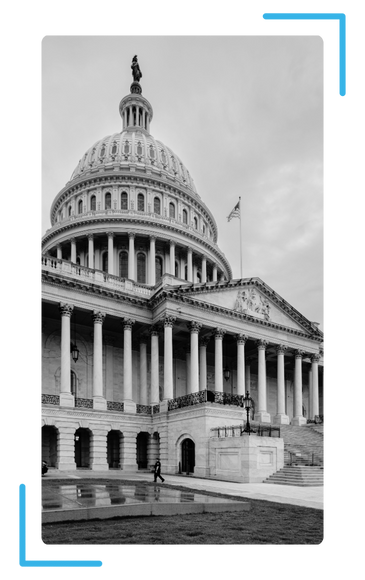 After a busy year of policy changes driven by the new administration in the U.S., 2026 will bring even more changes that will impact health care and well-being.
PBM reform is on the docket at both the state and federal level in the U.S. Some state-level laws will continue to be enacted; an example is California’s prohibition of spread pricing and its requirement to direct manufacturer rebates to the plan participant. Legislative action aimed at PBMs could give rise to greater transparency in the pharmacy supply chain, specifically within PBM compensation. Existing bills may also create additional plan compliance burdens, raise fiduciary legal questions and promote federal agency enforcement and overreach on employer plans.
In addition to pharmacy, new and revised federal guidelines are anticipated in areas such as preventive care and screenings, as well as chronic condition treatment. Potential softening of established federal requirements and guidelines for employer plans could give rise to regional/state approaches that could create inconsistencies across state lines. For employers that are acutely focused on any services called into question, it could heighten the desire to actively communicate the importance of timely preventive and chronic condition care, supported by the benefits and programs provided to employees.
Coverage changes within public plans will indirectly impact employer plans. Some individuals who receive coverage through the ACA marketplace in the U.S. are facing potential premium cost increases in 2026 due to the possible expiration of certain subsidies. Additionally, phased-in Medicaid changes may also impact eligibility for certain individuals. The uncertainty that ensues in public plans could result in more individuals looking to their (or their spouse’s/partner’s) employer as an access point into health coverage.
Lastly, the 2026 U.S. midterm election will take place on November 3. The election has the potential to change the majority party in either the Senate or House. Such a change would likely slow the pace of legislative changes (as they would generally need to be bipartisan); regulatory and executive branch action may become even more of a priority to drive President Trump’s health care agenda.
Related Content
- Policy Position Statements
- What Your CEO is Reading: New GLP‑1 Most Favored Nation Pricing Deal Raises Questions for Employers
- Surprise Billing Arbitration Process Drives Costs for Employer Plans
- Administration Advances Drug Pricing Agenda with MFN Deal, Tariff Threats and Pending Rulemaking
- State of Vaccine Requirements for Employer-Sponsored Health Plans
- 2026 Employer Health Care Strategy Survey: Health Care Policy Perspectives
Emerging Trends on the Horizon
While the topics discussed above have a direct and immediate impact on employers’ role in designing and delivering health care benefits and well-being programs, a host of additional trends have the potential to shape future strategies.
These additional trends include:
- Dissemination of credible health information: Employers are a trusted source of health information by employees. Employers will need to lean into this role as employees and their family members receive conflicting messages and guidance on a variety of health and well-being topics, including health risks and recommended screenings, vaccinations and treatments. Employers should be seen as a source of credible health information and find ways to educate employees on topics that are top of mind. Partnerships will be paramount in this endeavor, and employers will look to their vendors and other trusted organizations (e.g., medical societies) to bring evidence-based information forward to employees.
- Caregiving as a health risk factor: While it’s widely recognized that employees who serve as caregivers face numerous stressors, recent research has shown that caregivers are at a greater risk for serious health and well-being issues (e.g., heart disease, diabetes, cancer, mental health challenges, financial insecurity) compared to their non-caregiving counterparts. With this in mind, employers should assess the physical, mental and financial health impacts of caregiving on their workforce, which will likely require working with vendor partners. Employers may need to reassess how they support caregivers, including if the current benefits, programs and policies are adequately meeting employee needs, bearing in mind country- or region-specific caregiving infrastructure.
- Longevity and a multigeneration workforce: Globally, people are living and working longer, which presents employers with a new challenge: supporting employees’ “health span” instead of solely focused on “life span.” This demographic shift calls for today’s HR/Benefit leaders to design benefits for the needs of all five generations in the workforce: from the Traditionalist generation all the way to newcomer Gen Z. This new reality will call for hyper-personalization in health care and well-being initiatives: leveraging digital tools, navigation support, AI-driven personalization and inclusive benefit design that provide convenient, culturally relevant and adaptable access to care.
- Global conflicts, climate-related disasters and sudden emergencies: Employees worldwide have faced unprecedented rates of conflicts and natural disasters – and it’s likely that 2026 will bring more of the same. These events may impact some employees more than others, although fellow employees witnessing from afar can be indirectly impacted as well. These events can have a significant effect on physical health, mental health and financial well-being. Employers should develop a plan and leverage partners on how best to support employee health and well-being when disaster strikes.
More Topics
Resource
 Pharmacy
Vendor Management & Accountability
Transparency
Pharmacy
Vendor Management & Accountability
Transparency